

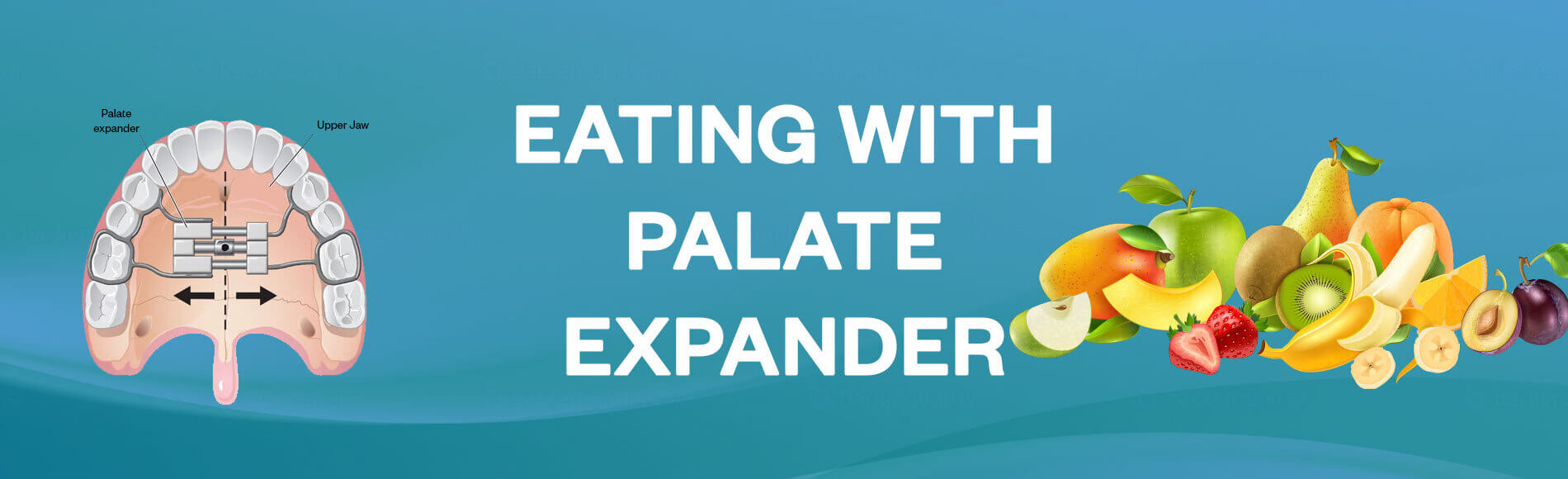

A palate expander is a vital tool in orthodontic treatment, helping achieve proper dental alignment and a beautiful smile. While an expander certainly has benefits, adapting to eating with a palate expander requires a bit of patience and adjustment. This guide will walk you through how to eat with a palate expander comfortably, outlining suitable food choices and cautioning against items that could both increase treatment time and cause the expander to loosen or break.
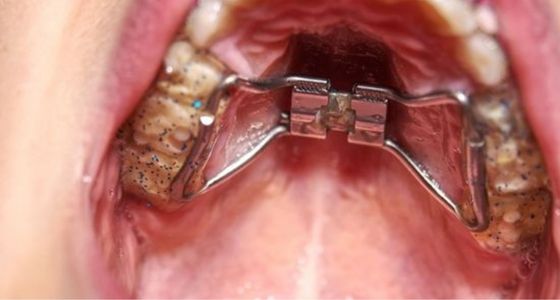
Before we dive into the practicalities of eating with a palate expander, let’s cover the basics of this common orthodontic treatment. A palate expander is a device designed to gradually widen the upper jaw, addressing issues like crossbites and overcrowding.,As you embark on your journey with this device, you’re likely to have questions about how it impacts your daily activities, including eating.
The primary goal of a palate expander is to create sufficient space within your mouth to achieve proper alignment of your teeth and a balanced bite. It consists of a metal framework that is custom-fitted to your palate. Over time (usually 6 months), your orthodontist will make adjustments to the expander, gently applying pressure to guide the expansion process. While the device itself might feel a bit foreign initially, rest assured that with time, you’ll adapt to its presence.
Navigating Eating with an Expander
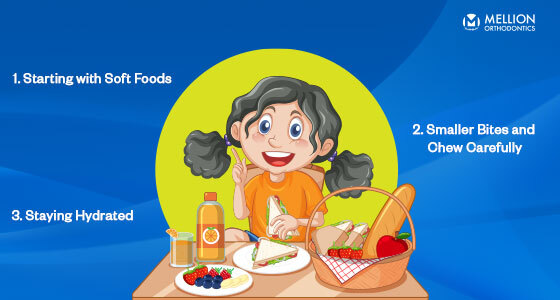
Learning how to eat with a palate expander involves a few adjustments to your eating habits. As you start incorporating these changes, you’ll find that enjoying meals becomes a more comfortable experience:
Starting with Soft Foods: During the initial days after getting your palate expander, consider sticking with a variety of soft foods. Mashed potatoes, yogurt, scrambled eggs, and smoothies are excellent options that provide both comfort and nourishment. These choices help you ease into eating with the expander, minimizing discomfort as your mouth gets accustomed to the device.
Smaller Bites and Chew Carefully: It’s easy to get caught up in the hustle of daily life and rush through meals. However, with a palate expander, taking your time to chew each bite thoroughly becomes particularly important. Patients often find that some of their food gets stuck around the wires of the expander. Smaller bites will minimize this problem. We also always recommend brushing after every time a patient eats to minimize tooth and gum tissue problems (more on this later).
Staying Hydrated: Everyone knows that adequate hydration is essential for overall health, but it can also contribute to your comfort while eating with a palate expander. Drinking water during meals, or even after eating, will help keep the area around the expander clean. We still recommend a toothbrush for a more thorough cleaning, but having water around will help if you don’t have access to a toothbrush. Consider keeping a water bottle handy throughout the day to ensure you can keep your expander clean, as well as to stay hydrated.
Delectable Choices for Palate-Expander-Friendly Dining
One of the silver linings of eating with a palate expander is the opportunity to explore new and delectable food options that align with your treatment journey. Here are some palate-expander-friendly choices that tantalize your taste buds while ensuring your comfort:
Soft Vegetables: Cooked carrots, peas, and spinach are not only nutrient-rich but also easy on the palate. Their soft texture allows you to enjoy a variety of vitamins and minerals without straining your jaw.
Gentle Grains: Embrace the goodness of grains like rice, couscous, and quinoa. These options are not only versatile in culinary applications but also contribute to a well-rounded diet.
Dairy Delights: Dairy products like yogurt, pudding, and cottage cheese offer a double benefit. They provide essential calcium for your dental health while delivering a creamy and satisfying indulgence.
Pasta Pleasures: Dive into the world of pasta with dishes like fettuccine alfredo or macaroni and cheese. These dishes combine comfort and flavor, making mealtime a delightful experience.
Tender Meats: While protein is crucial for your overall well-being, opting for lean and tender meats can make a significant difference. Choose chicken or turkey over tougher meats like steak to ensure a more comfortable chewing process.
Proceed with Caution: Foods to Limit or Avoid
While the palate expander doesn’t impose drastic dietary restrictions, it’s wise to exercise caution with certain foods to prevent discomfort or damage to the device. Choosing the right foods to eat with an expander can make a big difference; our tips below will help you make smart, mouth-friendly choices.
If you’re unsure what you can’t eat with an expander, here are the main foods to limit or avoid to keep your device safe and treatment on track:
Sticky Situations: Sticky candies, chewing gum, and taffy are treats best enjoyed sparingly or avoided altogether. These items have a tendency to adhere to the expander and could pose challenges in cleaning. Curious which other snacks might affect your progress? Our comprehensive food guide outlines what to skip (and why).
Crunchy Conundrums: While it’s tempting to indulge in crunchy snacks like popcorn and nuts, doing so might lead to discomfort as you adjust to the palate expander. Consider opting for softer alternatives to satisfy your snacking cravings.
Chew with Care: Foods that require extensive chewing, such as tough meats or overly crunchy snacks, can place unnecessary strain on your palate. Be mindful of how you approach these items, and consider slicing them into smaller portions for easier consumption.
Acidic Awareness: While acidic foods like citrus fruits and juices can be a refreshing choice, they might irritate sensitive areas of your mouth. Moderation is key; enjoy these treats in small quantities and ensure you rinse your mouth afterward.
How to Clean Your Palate Expander After Eating
Food particles can easily collect around the metal framework. Proper cleaning helps prevent plaque buildup, bad breath, and gum irritation.
Best practices include:
- Brushing after every meal with a soft-bristle toothbrush
- Using a water flosser to flush around the expansion screw
- Rinsing thoroughly if brushing isn’t immediately available
- Checking the appliance in the mirror for trapped debris
Keeping the appliance clean is just as important as choosing the right foods.
Mastering the Palate Expander Dining Experience
Eating with a palate expander may initially present a learning curve, but with the right approach and a touch of patience, you can maintain a balanced and enjoyable diet throughout your orthodontic journey. By embracing soft, nutrient-rich foods, staying mindful of your chewing habits, and making informed choices, you’ll navigate the world of orthodontic care with confidence — understanding how to eat with an expander effectively. Remember, the ultimate goal is to achieve a radiant smile while savoring the joys of culinary exploration along the way.
FAQs
Can you eat normally with a palate expander?
Yes, but it takes a short adjustment period. Most patients can return to a fairly normal diet within a week or two. The key changes include taking smaller bites, chewing slowly, and avoiding sticky or hard foods that could loosen the appliance. After the initial adaptation phase, eating becomes much more manageable.
Does a palate expander make eating painful?
Eating should not be painful, but mild pressure or tenderness is common, especially after adjustments. This discomfort usually fades within a few days. Choosing softer foods during this time can make meals more comfortable while the upper jaw adapts to expansion.
How long does it take to get used to eating with a palate expander?
Most patients adjust within 7 to 14 days. During this time, speech and chewing coordination improve significantly. The tongue gradually learns to work around the appliance, reducing food trapping and awkward chewing patterns.
Can you eat pizza or burgers with a palate expander?
Yes, but modifications help. Cut pizza or burgers into smaller pieces and chew carefully. Avoid overly crusty edges or thick, chewy bread that could strain the appliance. Softer crust options are easier to manage.
Why does food taste different with a palate expander?
The appliance covers part of the roof of the mouth, which plays a role in sensing texture and temperature. This can temporarily change how certain foods feel or taste. As the tongue adjusts, most patients report that food perception returns to normal.
Can a palate expander break from eating?
Yes. Hard, sticky, or excessively chewy foods can damage the metal framework or loosen the cemented bands. If the appliance feels loose or bent, contact your orthodontic office promptly to avoid interrupting treatment progress.
Is it harder for kids to eat with a palate expander?
Children often adapt quickly. While younger patients may need reminders to chew slowly and brush thoroughly, most return to regular eating habits within a short time. Supervision during the first week helps reinforce proper food choices and cleaning routines.
Is it harder for kids to eat with a palate expander?
Children often adapt quickly. While younger patients may need reminders to chew slowly and brush thoroughly, most return to regular eating habits within a short time. Supervision during the first week helps reinforce proper food choices and cleaning routines.
Should you rinse your mouth after every meal with a palate expander?
Yes. Rinsing with water after eating helps remove loose debris and reduces plaque buildup. However, rinsing alone is not enough. Brushing thoroughly is essential to prevent gum inflammation and cavities around the appliance.