

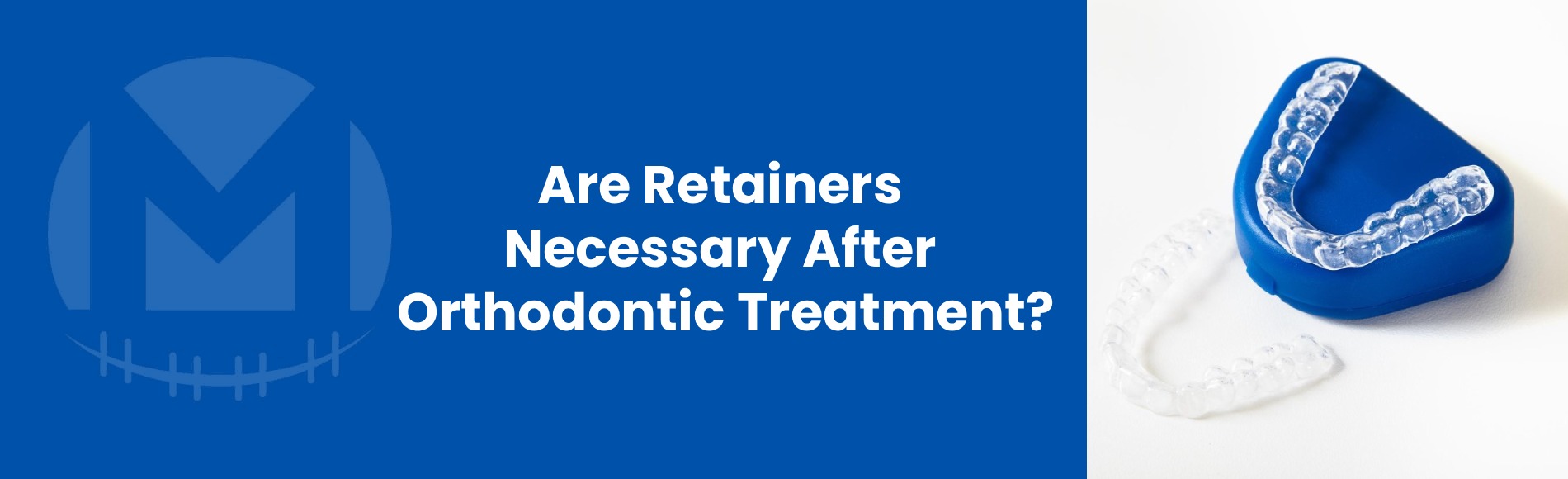

Completing orthodontic treatment is a major milestone. Whether treatment involves braces or clear aligners, seeing straight teeth for the first time is exciting. However, many patients are surprised to learn that alignment does not end when braces come off or when aligners are finished. This leads to a common and important question: Are retainers necessary after orthodontic treatment?
The short answer is yes, but understanding why retainers matter helps patients stay committed long term. Teeth remain dynamic throughout life. They respond to pressure, muscle activity, and natural aging. Without proper retention, even well-aligned teeth can gradually shift. Retainers play a key role in maintaining results by supporting teeth as the surrounding bone and tissue stabilize.
At Mellion Orthodontics, retention is treated as an essential phase rather than an afterthought. Each patient receives a personalized retainer plan designed to protect alignment, preserve bite balance, and support oral health over time. Knowing what retainers do, when to wear them, and how long they remain part of daily life can help patients feel confident as they move into this next phase.
What Does a Retainer Do for Your Teeth?
A retainer’s primary function is to hold teeth in their corrected positions after orthodontic treatment. Once braces or aligners finish moving teeth, the surrounding bone and ligaments need time to adapt. During this adjustment period, teeth are more susceptible to movement. A retainer stabilizes alignment while these supporting structures strengthen.
Retention also protects bite corrections. Many orthodontic treatments address more than cosmetic alignment. They improve how the upper and lower teeth fit together during chewing and speaking. Retainers help maintain these functional improvements by preventing subtle shifts that could compromise bite balance.
Another important role involves spacing and crowding prevention. Teeth naturally experience pressure from daily activities such as chewing, swallowing, and even talking. Over time, these forces may encourage teeth to drift. Wearing a retainer counteracts these influences and reduces the likelihood of crowding returning.
Retainers also support long-term oral hygiene. When teeth remain properly aligned, brushing and flossing become easier and more effective. This contributes to healthier gums and reduces the risk of plaque buildup in tight or overlapping areas. In this way, retention supports both appearance and overall dental health.
Are Retainers Necessary After Braces or Invisalign?
Many patients assume that once teeth are straight, they will stay that way permanently. In reality, teeth have a strong tendency to move back toward their original positions, especially during the months following orthodontic treatment. This is why retainers after braces or Invisalign are a standard part of orthodontic care.
Even patients who followed treatment instructions closely during active alignment can experience shifting without retention. The lower front teeth are particularly prone to movement because of tongue pressure and natural jaw changes over time. Without a retainer, subtle movement can begin quickly and progress gradually.
Clear aligner patients face similar risks. While Invisalign effectively moves teeth into place, retention is still necessary once aligners are completed. The clear retainers used after Invisalign resemble aligners in appearance but serve a different purpose. They focus on holding teeth steady rather than guiding movement.
Mellion Orthodontics emphasizes that retention plans are customized. Some patients benefit from a combination of removable and fixed retainers, depending on their treatment history and alignment pattern. This tailored approach helps ensure that results remain stable well beyond the active treatment phase.
When Do You Wear Retainers After Orthodontic Treatment?
One of the most common questions patients ask is when to wear retainers after finishing orthodontic treatment. The answer depends on the stage of retention and the individual treatment plan. Most patients begin with full-time wear immediately after braces or aligners are removed.
Full-time wear typically means wearing the retainer day and night, removing it only for meals and cleaning. This phase allows teeth to settle into their new positions while bone and tissue adapt. The length of this phase varies but often lasts several months based on alignment stability and growth patterns.
After the initial period, patients usually transition to nighttime wear. This stage supports long-term retention while fitting comfortably into daily routines. Wearing retainers while sleeping continues to counteract natural tooth movement without interfering with daytime activities.
Mellion Orthodontics provides clear guidance on when to wear retainers and adjusts recommendations as patients progress. Regular follow-up visits help ensure that the retainer remains effective and comfortable throughout each phase of retention.
For How Long Do You Wear Retainers?
Another frequent concern is how long you wear retainers. While many people expect a defined end date, retention is best understood as a long-term commitment. Teeth continue to shift subtly throughout life due to aging, muscle forces, and changes in bone support.
For this reason, orthodontists often recommend wearing retainers at night indefinitely. This does not mean retainers must be worn full-time forever. Instead, nighttime wear becomes a simple habit that protects alignment over the years. Patients who stop wearing retainers entirely face a much higher risk of relapse.
Life events such as stress, teeth grinding, or changes in oral health can also influence tooth movement later in adulthood. Retainers serve as a safeguard against these influences, preserving alignment with minimal effort once nighttime wear becomes routine.
At Mellion Orthodontics, retention recommendations are based on clinical experience and long-term outcome data. Patients are guided toward a plan that supports stability while fitting realistically into their lifestyle, helping them maintain results comfortably over time.
Are Retainers for Life or Just for a Few Years?
Patients frequently ask if retainers are for life or if they can eventually stop wearing them. While the idea of lifelong retention may sound overwhelming, the reality is far more manageable than many expect. Wearing a retainer at night a few times a week becomes a simple habit that offers long-term benefits.
Teeth do not stop responding to pressure as people age. Natural changes in bone density and jaw structure continue throughout adulthood. Without retention, these changes may gradually influence alignment. Retainers act as a preventive measure rather than a correction tool, reducing the likelihood of future orthodontic retreatment.
Some patients wonder do you need to wear retainers forever if their teeth feel stable. While stability may feel consistent for years, changes often happen slowly and without immediate notice. Continued retainer use helps protect alignment even when movement is not obvious.
By framing retention as part of routine dental care rather than an extension of treatment, patients tend to maintain better long-term outcomes. Mellion Orthodontics encourages this mindset and supports patients with replacement retainers and ongoing guidance when needed.
Types of Retainers and How They Support Long-Term Results
Retainers come in several forms, each offering specific advantages depending on the patient’s needs. Removable clear retainers are popular due to their discreet appearance and comfortable fit. They closely resemble Invisalign aligners and are easy to integrate into nightly routines.
Hawley retainers feature a combination of acrylic and metal wire. These retainers are durable and adjustable, making them suitable for patients who benefit from long-term flexibility. Their design allows orthodontists to make small refinements if minor movement occurs.
Permanent or bonded retainers consist of a thin wire attached to the back of the teeth. These retainers remain in place continuously and are especially helpful for preventing movement in areas prone to crowding, such as the lower front teeth. They are often paired with a removable retainer for comprehensive support.
Mellion Orthodontics evaluates each patient’s alignment history, bite, and lifestyle when recommending a retainer type. This individualized approach ensures that retention remains effective and comfortable over time.
Why Retainers Are the Key to Long-Term Orthodontic Success
Understanding whether retainers are necessary begins with recognizing that orthodontic treatment does not truly end when braces or aligners come off. Teeth remain adaptable throughout life, and retention is what preserves the results patients work so hard to achieve. Wearing a retainer protects alignment, supports bite stability, and contributes to long-term oral health.
Rather than viewing retention as a burden, it can be seen as a simple, preventive habit that safeguards your smile. With personalized guidance, modern retainer options, and consistent follow-up, maintaining alignment becomes an easy part of daily life. At Mellion Orthodontics, retention is approached with the same care and precision as active treatment, ensuring patients enjoy their results for years to come.