



Retainers play a pivotal role in orthodontic treatment, preserving the results achieved through braces or Invisalign clear aligners. But can retainers fix a slight shift or correct minor dental changes? In this post we will delve into the world of retainers, exploring their functions, capabilities, and the extent to which they can address minor tooth crowding relapse.
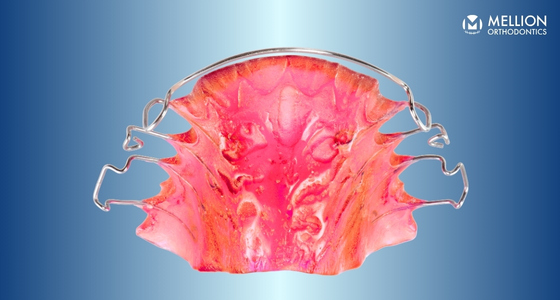
Before we tackle the question of whether retainers can fix minor crowding, it’s important to understand what retainers are designed to do in orthodontics.
Retainers are orthodontic appliances that are custom-made to fit your teeth. They are typically used after the completion of orthodontic treatment with braces or Invisalign clear aligners. The primary function of retainers is to maintain the corrected alignment achieved during the active phase of treatment. They work by holding the teeth in their new positions, preventing them from shifting back towards their original, crowded arrangement.
What Retainers Can and Cannot Do
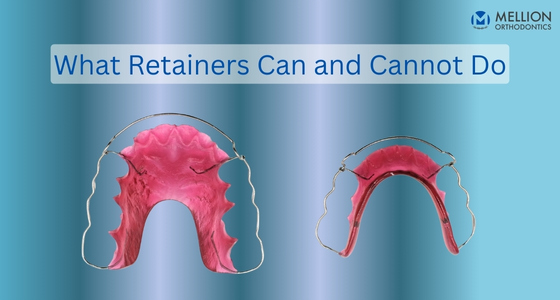
While orthodontic retainers are valuable tools for maintaining alignment, it’s crucial to manage expectations regarding their corrective abilities.
Retainers for Minor Corrections: In some cases, retainers can address minor tooth crowding–often called orthodontic relapse. If you’ve experienced a slight shift after completing your primary orthodontic treatment, and you’re wondering “can my retainer fix shifted teeth?”, your orthodontist may recommend a new retainer. Normally this corrective retainer will serve as protection against further tooth movement, and in some instances offer the ability to realign the teeth back into their desired position.
Limitations of Retainers: Retainers are not designed for significant teeth movement or complex orthodontic adjustments. Retainers can move teeth in one direction–often forwards or backwards. They are not good for moving shifted teeth that have rotated. Retainers lack the active force and versatility of braces or aligners, making them unsuitable for extensive corrections. If you’re dealing with more substantial shifts, your orthodontist might recommend a different approach to achieve the desired results.
How Much Tooth Movement Can a Retainer Actually Correct?
When patients ask whether a retainer can fix a slight shift, the real question is usually about degree of movement.
In general, retainers may help correct:
- Very minor spacing changes
- Slight forward or backward tooth movement
- Small alignment relapse within the first few months after treatment
Retainers are less effective for:
- Rotated teeth
- Vertical movement (teeth appearing taller or shorter)
- Significant crowding relapse
- Bite changes
If the shift is minimal and caught early, a properly fitted retainer may guide teeth close to their original post-treatment position. However, if the movement has progressed, additional orthodontic treatment may be necessary.
Collaborating with Your Orthodontist
Orthodontic Evaluation If you suspect a minor shift or have noticed changes in your dental alignment, schedule a consultation with your orthodontist. They will evaluate your specific circumstances, determine the extent of the shift, and recommend the most appropriate course of action.
Retainer Adjustment: In cases of minor shifts, your orthodontist might suggest adjusting your existing retainer or creating a new one. This retainer may be designed to apply gentle pressure to guide the teeth back towards their optimal positions. In some instances teeth will only be able to return close to their ideal alignment.
Maintaining Long-Term Results
To ensure the effectiveness of your retainers and prevent future shifts, adhere to these best practices.
Consistent Wear: Follow your orthodontist’s recommendations regarding retainer wear. Consistency is key to maintaining your corrected alignment. At Mellion Orthodontics we recommend night time wear of retainers as a lifelong habit.
Proper Care: Keep your retainer clean by brushing it regularly and soaking it in a retainer solution as advised. A clean retainer contributes to optimal oral health.
Regular Check-ups: Attend regular follow-up appointments with your orthodontist to monitor the progress of any corrections and make necessary adjustments.
The Role of Retainers in Minor Corrections
If you’ve noticed a minor relapse after completing your primary orthodontic treatment, consulting your orthodontist is the first step towards determining whether retainers can play a role in guiding your teeth back to their desired positions. Remember, clear communication and collaboration with your orthodontist will help you maintain the results of your orthodontic journey and enjoy a confident, aligned smile for years to come.
FAQs
Can a retainer move teeth back into place?
A retainer can sometimes move teeth slightly if the shift is minimal and recent. It works by applying gentle pressure to guide teeth back toward their post-treatment position. However, retainers are limited in force and direction, making them unsuitable for significant or complex tooth movement.
How long does it take for a retainer to fix a slight shift?
If correction is possible, minor shifts may improve within several weeks of consistent nightly wear. The timeline depends on how far the teeth have moved and how quickly the relapse was addressed. Teeth that have shifted for several months may not respond as predictably.
What happens if your retainer feels tight?
A tight retainer often indicates minor tooth movement. If it still fits completely, wearing it consistently may help guide teeth back into alignment. If it does not seat fully or causes significant discomfort, schedule an orthodontic evaluation.
Can an old retainer fix shifted teeth?
An old retainer may help if it still fits securely. However, if it no longer sits properly, forcing it can cause damage. In many cases, a new retainer is required to safely address minor relapse.
Do retainers fix rotated teeth?
Retainers are generally ineffective at correcting rotated teeth. Rotation requires controlled force from braces or aligners, which can apply pressure from multiple angles. Retainers primarily maintain alignment rather than create complex movement.
Is minor shifting normal after braces?
Yes. Teeth naturally attempt to return toward their original positions after braces or aligners are removed. This is why lifelong retainer wear is typically recommended. Consistent use greatly reduces the risk of noticeable relapse.
Can wearing a retainer too much move teeth?
Wearing a retainer as prescribed does not cause harmful movement. Retainers are designed to maintain alignment. However, wearing a poorly fitting retainer without professional guidance could create uneven pressure.