

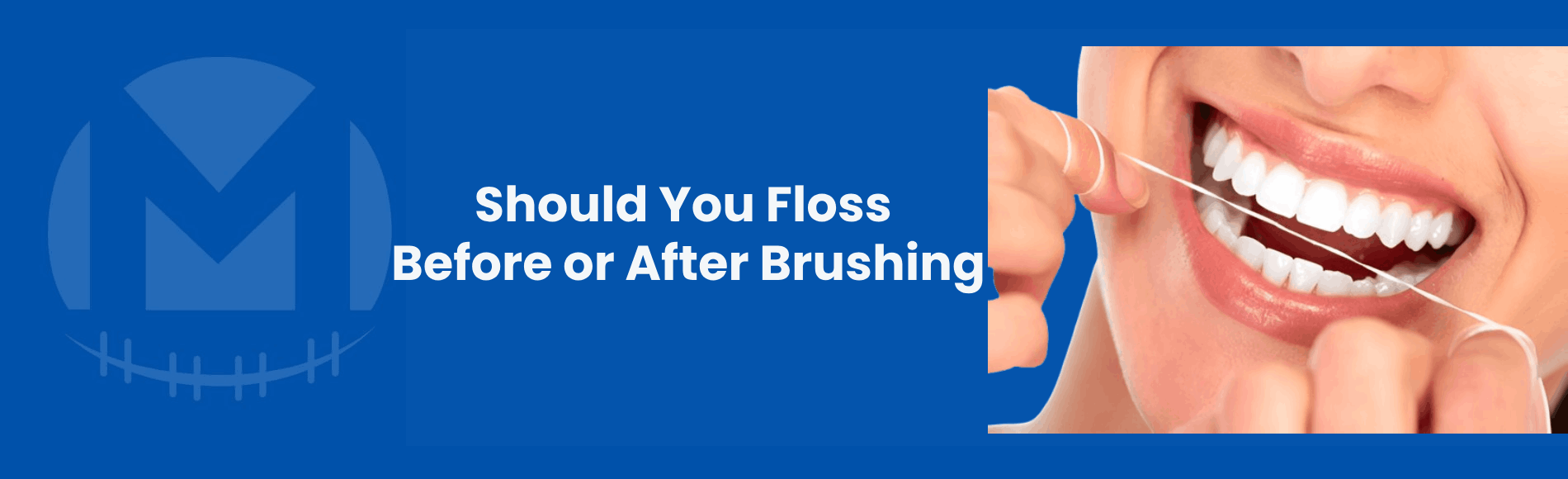

If you’re committed to keeping your teeth clean and your smile healthy, you already know the importance of brushing and flossing. But there’s a common question many patients still ask during their orthodontic appointments: Should you floss before or after brushing?
It might sound like a small detail, but the order in which you care for your teeth can impact how effective your oral hygiene routine is, especially if you’re wearing braces. In this blog, we’ll break down the science, share what dental professionals recommend, and help you get the most out of your daily routine.
The Short Answer: Floss Before You Brush
While most people were taught to brush first and floss second, recent studies suggest it’s actually more effective to floss before brushing.
Why? Flossing loosens food particles and plaque between your teeth, making it easier for your toothbrush to clean these areas and allowing the fluoride in your toothpaste to reach more surfaces.
A study published in the Journal of Periodontology found that flossing before brushing resulted in significantly less plaque between teeth and better fluoride retention compared to brushing first.
Why Order Matters: Especially With Braces
When you have braces, brushing and flossing both become a bit more involved. Brackets, wires, and bands create more places for plaque and food to get stuck, so your oral hygiene routine needs to be thorough.
Here’s why flossing first is especially helpful when you’re wearing braces:
- It clears the path for your toothbrush, making your brushing more efficient.
- It helps remove hidden particles that can be missed if brushing comes first.
- It reduces the chance of plaque buildup around brackets and between teeth.
- It allows fluoride from your toothpaste to better coat and protect clean surfaces.
In other words, flossing first gives your toothbrush a cleaner canvas to work with, and that’s a big win for your smile.
How to Floss Effectively With Braces
Flossing with braces isn’t always easy, but it’s one of the most important steps in preventing gum disease, cavities, and white spots around your brackets. Here’s how to do it right:
Use a Floss Threader or Orthodontic Floss
These tools help guide the floss behind your wires so you can reach between each pair of teeth. Thread the floss carefully and move it up and down between each tooth, gently under the gumline.
Try a Water Flosser
A water flosser can be a great alternative for patients with braces. It uses a pressurized stream of water to flush out food and plaque from around the teeth and braces. It’s quick, easy, and gentle on sensitive gums.
Be Consistent
Floss once a day (preferably at night) to give your mouth a clean slate before bedtime. Even if it takes a little extra time, it’s worth it.
Brushing After Flossing: The Perfect Follow-Up
Once you’ve flossed, your mouth is ready for brushing. Here’s how to make it count:
- Use a soft-bristled toothbrush or an electric brush made for braces.
- Brush at a 45-degree angle to get above and below each bracket.
- Use fluoride toothpaste to strengthen enamel and protect against decay.
- Brush for at least two full minutes, hitting every surface of every tooth.
Don’t forget your tongue, roof of mouth, and inner cheeks, these areas hold bacteria too.
Brushing after flossing ensures that any loosened debris is swept away, and the fluoride in your toothpaste has better access to clean, exposed enamel.
Perfect Routine? Focus on Progress, Not Perfection
Life gets busy, and we get it. If you occasionally brush before you floss, it’s not the end of the world. What matters most is that you’re doing both consistently, every single day. But for the most effective results, especially with braces, try to stick with flossing first and brushing second as your daily habit.
Final Thoughts
So, should you floss before or after brushing? The answer is clear: floss first, brush second. This order helps you remove more plaque, deliver fluoride more effectively, and protect your smile, especially if you’re wearing braces.
At Mellion Orthodontics, we’re here to help you build healthy habits that make a difference during and after your treatment. If you have questions about flossing, brushing, or anything in between, our team is happy to help you create a routine that works for your lifestyle.
Need help improving your brushing and flossing routine with braces? Schedule a visit at Mellion Orthodontics!