

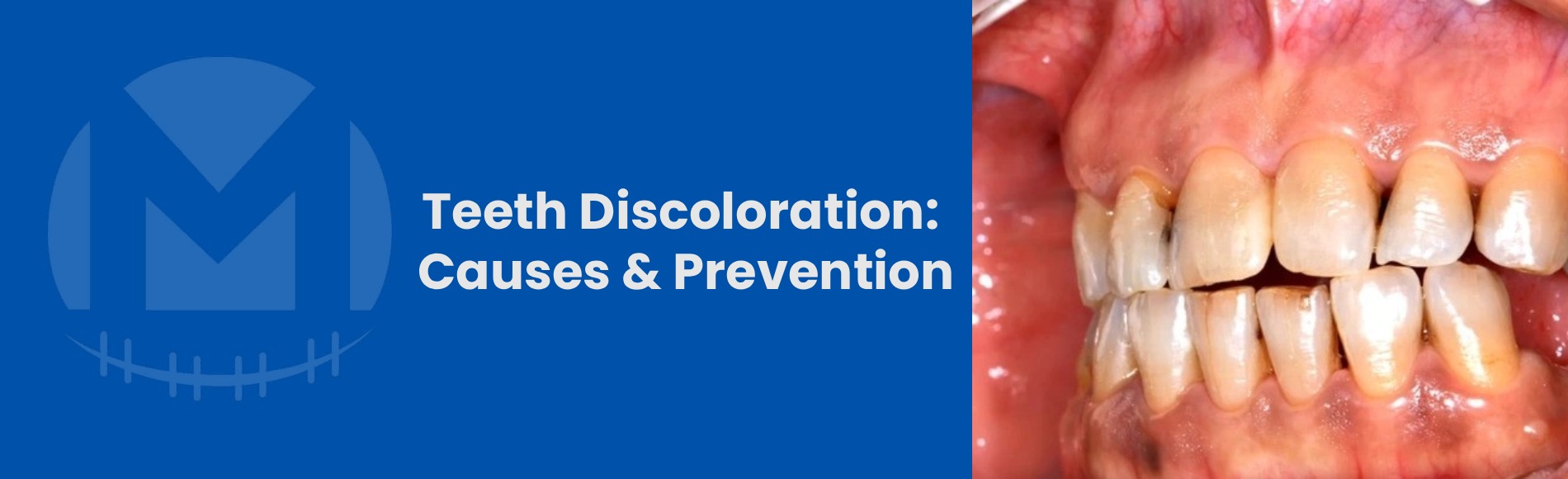

A bright smile is often associated with health and confidence, but over time, many people notice subtle changes in tooth color. This raises a common concern: what causes tooth discoloration, and more importantly, what can be done about it?
The reality is that teeth discoloration happens to almost everyone at some point. It is not always a sign of poor hygiene. In many cases, it is simply the result of daily habits, natural aging, or environmental factors that accumulate over time. The key is understanding what type of discoloration you are dealing with and how to manage it effectively.
Some stains remain on the surface and are relatively easy to address. Others develop deeper within the tooth structure and require professional care. Knowing the difference between types of teeth stains helps set realistic expectations and avoid frustration when over-the-counter solutions fall short.
What Causes Tooth Discoloration?
The discoloration of teeth does not come from a single source. Instead, it is usually the result of multiple factors working together over time. Some are related to lifestyle, while others are part of natural biological changes that occur with age.
One of the most common causes is diet. Dark-colored beverages like coffee, tea, and red wine are known to leave behind pigments that attach to enamel. These pigments do not always wash away easily, especially when exposure is frequent. Foods such as berries, sauces, and even certain spices can contribute similarly.
Smoking and tobacco use also play a major role. Nicotine and tar create persistent stains that tend to deepen over time. These stains are often more resistant to standard cleaning methods and can significantly alter tooth color.
Aging is another factor that is often underestimated. As enamel gradually wears down, the underlying dentin becomes more visible. Dentin has a naturally yellow tone, which is why teeth may appear darker even when hygiene is consistent. This process happens slowly, which is why many people do not notice it right away.
Certain medications, trauma, or excessive fluoride exposure during childhood can also affect tooth color from within. These internal changes are different from surface stains and usually require professional evaluation.
Types of Teeth Stains: Not All Discoloration Is the Same
Understanding the types of teeth stains makes a big difference when deciding how to approach treatment. Not all discoloration responds the same way, and what works for one person may not work for another.
There are generally three categories of teeth stains and discoloration:
Extrinsic stains
These appear on the surface of the enamel and are usually caused by food, drinks, or smoking. They are the most common type and often respond well to professional cleanings or whitening treatments.
Intrinsic stains
These develop inside the tooth structure. They can result from trauma, certain medications, or developmental conditions. Because they are deeper, they are more difficult to treat with basic whitening products.
Age-related discoloration
This type combines both surface stains and internal changes. Over time, enamel becomes thinner while stains accumulate, creating a more complex discoloration pattern.
Recognizing which category applies to your situation helps avoid unrealistic expectations. Surface stains may improve quickly, while deeper discoloration requires a more tailored approach.
Everyday Habits That Lead to Stains on Teeth
Most people do not realize how small daily habits contribute to long-term discoloration. It is rarely one single factor. Instead, it is the combination of repeated exposure that gradually changes tooth color.
Drinking coffee every morning may not seem significant on its own. However, when combined with afternoon tea or occasional red wine, the cumulative effect becomes more noticeable. Over time, these pigments settle into microscopic pores in the enamel.
Another overlooked factor is how long these substances stay in contact with teeth. Sipping beverages slowly throughout the day exposes enamel for longer periods compared to drinking them in one sitting. This extended exposure increases the likelihood of staining.
Oral hygiene habits also play a role. When plaque builds up on the surface of teeth, it creates a rougher texture that allows stains to adhere more easily. Even minor inconsistencies in brushing or flossing can make a difference over time. Lifestyle patterns, not isolated behaviors, are usually what drive visible discoloration.
How to Prevent Tooth Discoloration in Daily Life
Preventing teeth discoloration does not require drastic changes. In most cases, small adjustments make a noticeable difference when applied consistently.
A few practical strategies include:
- Rinsing your mouth with water after consuming staining foods or drinks
- Drinking through a straw when possible to reduce contact with teeth
- Brushing regularly with a gentle, consistent technique
- Limiting prolonged exposure to highly pigmented beverages
- Scheduling routine dental cleanings to remove surface buildup
These steps are simple, but they work best when they become part of a routine rather than occasional efforts. Consistency matters more than intensity.
Hydration also plays an important role. Drinking water throughout the day helps maintain saliva flow, which naturally cleanses the mouth and reduces the buildup of staining compounds.
For patients already undergoing orthodontic care or considering alignment treatment, maintaining clean surfaces becomes even more important. Mellion Orthodontics guides maintaining oral hygiene during treatments like Invisalign or braces, where plaque control directly affects both alignment and appearance.
When Discoloration Requires Professional Attention
Not all stains can be managed at home. When discoloration becomes more noticeable or does not respond to routine care, professional evaluation offers clearer answers.
Dentists and orthodontists can determine whether the issue is surface-level or internal. This distinction is important because it influences the type of treatment recommended. In some cases, a professional cleaning is enough to restore brightness. In others, whitening treatments or restorative options may be discussed.
There are also situations where discoloration signals an underlying issue, such as enamel damage or previous trauma. Identifying these conditions early helps prevent more complex problems later.
At Mellion Orthodontics, patients are guided through a comprehensive evaluation process that looks beyond aesthetics. The goal is not just to improve appearance, but to support overall dental health and long-term stability.
A Brighter Smile Starts With Awareness and Consistency
Tooth discoloration is rarely sudden. It develops gradually, shaped by daily habits, natural aging, and environmental factors. Understanding what causes tooth discoloration gives you the ability to make informed decisions rather than relying on trial and error.
Improving the appearance of your smile does not always require major changes. In many cases, it comes down to consistency, awareness, and knowing when to seek professional guidance. Whether you are dealing with mild stains on teeth or more noticeable discoloration, the right approach can make a visible difference.
If you are unsure what type of discoloration you are experiencing or want a personalized plan to improve your smile, a professional evaluation is the best place to start. Schedule your consultation with Mellion Orthodontics today.
FAQs
What causes teeth discoloration the most?
Teeth discoloration is most commonly caused by diet, smoking, and natural enamel wear over time. Beverages like coffee and tea, along with tobacco use, can gradually stain the surface and affect tooth color.
Are all teeth stains permanent?
Not all stains are permanent. Surface stains can often be removed with proper cleaning or professional treatments, while deeper discoloration inside the tooth may require more advanced whitening solutions.
How can I prevent tooth discoloration?
Preventing discoloration involves consistent oral hygiene, limiting staining foods and drinks, and staying hydrated. Regular dental cleanings also help remove buildup before it turns into visible stains.
What are the main types of teeth stains?
There are three main types: extrinsic stains on the surface, intrinsic stains inside the tooth, and age-related discoloration, which is a combination of both and develops over time.
Do braces or Invisalign affect teeth discoloration?
Braces or Invisalign can make cleaning more challenging, which may lead to plaque buildup and staining if hygiene is not maintained. Proper care helps prevent discoloration during treatment.