

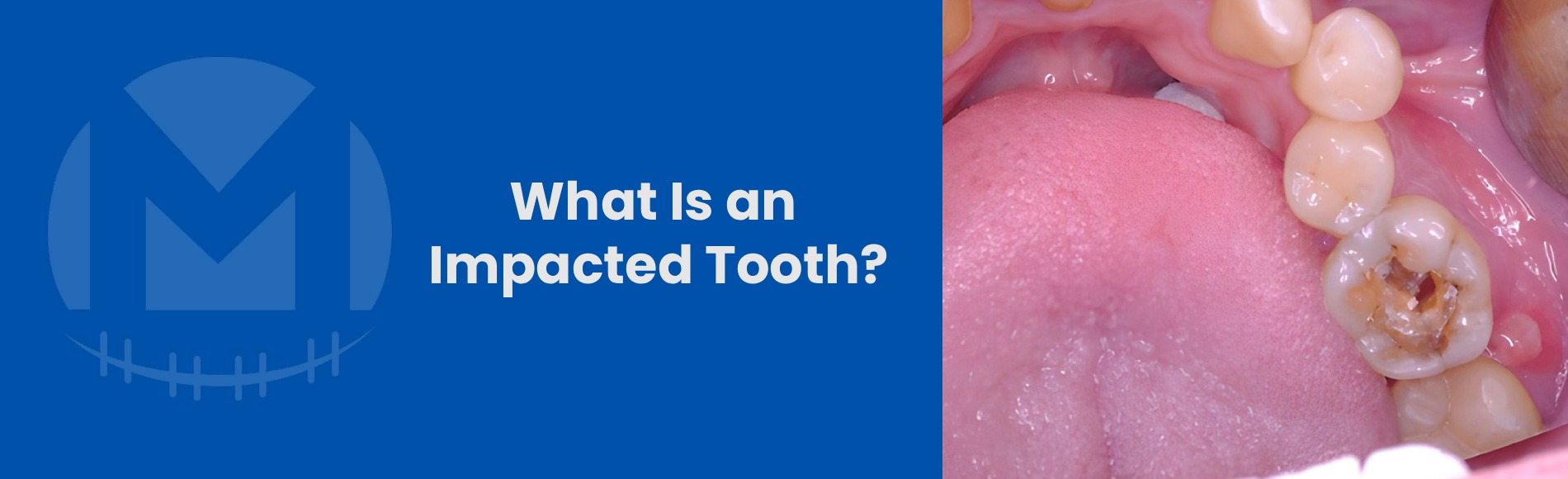

Most teeth follow a predictable path as they develop. They form beneath the gums, gradually move upward, and eventually emerge into their proper position. In some cases, however, that process does not unfold as expected. A tooth may remain trapped beneath the gums or bone instead of erupting normally. This situation is known as tooth impaction.
Understanding what an impacted tooth is helps patients recognize early warning signs and seek timely care. When a tooth becomes impacted, it can influence neighboring teeth, jaw structure, and overall oral health. Sometimes the issue is painless at first, which is why it often goes unnoticed until symptoms appear or imaging reveals the problem.
At Mellion Orthodontics, careful evaluation helps determine whether monitoring, orthodontic guidance, or a more comprehensive approach to the treatment of impacted teeth is appropriate.
What Exactly Is Tooth Impaction?
A tooth is considered impacted when it cannot erupt fully into its normal position in the dental arch. Instead of moving upward through the gums, the tooth remains partially or completely trapped within bone or soft tissue. This may occur due to limited space, unusual tooth angles, or interference from adjacent teeth.
Impaction most commonly affects wisdom teeth, but other teeth can also be involved. In orthodontic patients, upper canines are among the teeth most likely to become impacted. When these teeth remain beneath the gumline, they may disrupt the natural alignment of the surrounding teeth.
An impacted tooth molar often develops in the back of the mouth, where space is already limited. When a molar grows sideways or pushes against neighboring teeth, discomfort and inflammation may appear. Even when symptoms are mild, the condition can influence long-term alignment and bite balance.
Because impaction occurs below the surface, imaging plays a key role in diagnosis. Orthodontists rely on X-rays to understand tooth position, root development, and available space within the jaw.
Why Teeth Become Impacted in the First Place
Tooth eruption is a coordinated process involving jaw growth, spacing, and timing. When one of these elements changes, eruption may be disrupted. Several factors contribute to tooth impaction, and many patients experience more than one of them.
Common causes include:
- Lack of space in the dental arch
Crowded teeth may block the eruption path of developing teeth. - Abnormal tooth angle or direction
A tooth growing sideways or tilted can become trapped against bone or adjacent teeth. - Delayed eruption patterns
Some teeth develop later than others and miss their natural eruption window. - Genetic influences
Jaw size and tooth size often run in families, which can increase the likelihood of impaction. - Early loss of baby teeth
Premature tooth loss can shift spacing and interfere with normal eruption paths.
When orthodontists identify these risk factors early, they can often guide eruption more effectively. Monitoring developing teeth during childhood and adolescence helps reduce the chance of more complex problems later.
Tooth Impaction Symptoms You Should Pay Attention To
An impacted tooth does not always cause immediate discomfort. In many cases, the issue is first discovered during routine imaging. Still, certain symptoms may indicate that a tooth is struggling to erupt.
Common tooth impaction symptoms include:
- Persistent gum tenderness in one area
- Swelling or redness around a partially erupted tooth
- Difficulty opening the mouth fully
- Pressure or discomfort near the back teeth
- Shifting or crowding of nearby teeth
Some patients also notice intermittent pain when chewing or biting down. This can occur when an impacted tooth molar presses against surrounding structures. Because these symptoms can appear gradually, many people dismiss them as temporary irritation.
When symptoms persist, a professional evaluation helps determine the cause. Early identification often leads to simpler solutions.
Early Warning Signs of an Impacted Tooth
An impacted tooth does not always cause immediate discomfort. In many cases, the issue is first discovered during routine imaging. Still, certain symptoms may indicate that a tooth is struggling to erupt.
One of the most common early indicators is localized gum tenderness that does not seem to go away. This discomfort may feel mild at first, almost like irritation, but it tends to persist in the same area. Swelling or redness around a partially erupted tooth is another sign that should not be ignored, especially if it appears repeatedly or worsens over time.
Some patients notice pressure in the back of the mouth or difficulty when opening their jaw fully. In other cases, nearby teeth begin to shift slightly, creating new crowding or spacing issues that were not present before. These changes can feel subtle, but they often signal that an impacted tooth molar is influencing the surrounding structure.
Even when symptoms are not severe, consistency is what matters. If something feels off in the same area for an extended period, it is worth having it evaluated. Early detection often leads to simpler and more predictable solutions.
How Orthodontists Diagnose an Impacted Tooth
Diagnosis usually begins with a careful clinical evaluation. An orthodontist will look at tooth eruption patterns, spacing, and how the bite is developing. When a tooth appears delayed or missing from where it should be, that is often the first indication that something may be happening beneath the surface.
Because impacted teeth are not always visible, imaging becomes an essential part of the process. X-rays allow orthodontists to see exactly where the tooth is located, how it is positioned, and whether it is affecting nearby teeth. This step provides clarity that a visual exam alone cannot offer.
Beyond simply identifying the tooth, imaging helps determine direction, angle, and available space in the jaw. These details matter because they influence how the tooth can be guided into place or whether intervention is necessary. A tooth growing at the wrong angle, for example, may require a different approach than one that is simply delayed.
At Mellion Orthodontics, diagnosis is not rushed. Each case is evaluated within the context of overall alignment, jaw structure, and long-term function. This ensures that any decision made supports both immediate correction and future stability
Impacted Teeth Treatment Options
Treatment for an impacted tooth depends on several variables, including its position, the patient’s age, and how it interacts with surrounding teeth. Not every case requires immediate intervention. In some situations, monitoring is enough, especially when there is still potential for a natural eruption.
When space is the primary issue, orthodontic treatment may be used to create room within the dental arch gradually. As space develops, the impacted tooth may begin to move into a more favorable position on its own. This process relies on controlled pressure and biological response, similar to the principles explained in how braces actually work, which guide teeth safely into alignment over time.
In cases where the tooth remains trapped, a more guided approach may be necessary. A minor surgical procedure can expose the tooth, allowing orthodontic appliances to gently guide it into alignment over time. This combination of surgical and orthodontic care is precise and designed to preserve surrounding structures.
There are also situations where removal is the most appropriate solution, particularly if the tooth cannot be repositioned safely. The goal is always to protect overall oral health and maintain proper function, rather than forcing a tooth into place when it may compromise long-term stability.
Why Early Evaluation Matters
Impacted teeth often develop quietly before symptoms appear. That is why routine orthodontic evaluations are so valuable. Early imaging can identify eruption problems years before they cause complications.
When impaction is detected early, orthodontists can guide tooth movement while the jaw is still developing. This typically leads to more predictable outcomes and shorter treatment timelines.
Even adults benefit from evaluation. Impacted teeth can influence alignment, crowding, and bite stability long after adolescence. Addressing the issue protects both dental function and long-term oral health.
Mellion Orthodontics focuses on proactive diagnosis so patients can address concerns before they become more complex.
Do Not Ignore the Signs of an Impacted Tooth
An impacted tooth may begin quietly, but its effects can influence alignment, comfort, and overall dental health over time. Understanding what an impacted tooth is and recognizing tooth impaction symptoms helps patients respond before small concerns turn into larger problems.
If you have noticed delayed tooth eruption, unusual pressure, or persistent gum discomfort, a professional evaluation can clarify what is happening beneath the surface. At Mellion Orthodontics, every consultation focuses on identifying the root cause and developing a thoughtful treatment strategy.
If something about your teeth feels unusual or a tooth seems to be missing its eruption path, the best step is to speak with an orthodontic specialist. Schedule a consultation with Mellion Orthodontics today.
FAQs
What is an impacted tooth?
An impacted tooth is a tooth that fails to erupt properly and remains trapped beneath the gums or jawbone. This can affect alignment and may require monitoring or treatment.
What causes tooth impaction?
Tooth impaction is often caused by lack of space, abnormal tooth positioning, or interference from nearby teeth. Genetics and delayed eruption can also play a role.
Are impacted tooth molars common?
Yes, impacted molars—especially wisdom teeth—are very common. They often lack enough space to erupt properly, which can lead to pressure or discomfort in the back of the mouth.
What are the symptoms of tooth impaction?
Symptoms may include gum swelling, tenderness, pressure, or difficulty opening the mouth. In some cases, nearby teeth may shift or become crowded over time.
How are impacted teeth treated?
Treatment depends on the severity and position of the tooth. Options may include monitoring, orthodontic guidance, minor surgical exposure, or removal if necessary.